
Private-label microneedle eye patches
Develop cosmetic eye patches under your brand. Compare patch sizes, backing and liner options, then review the tray, sachet and artwork with your sample.
Explore eye-patch private label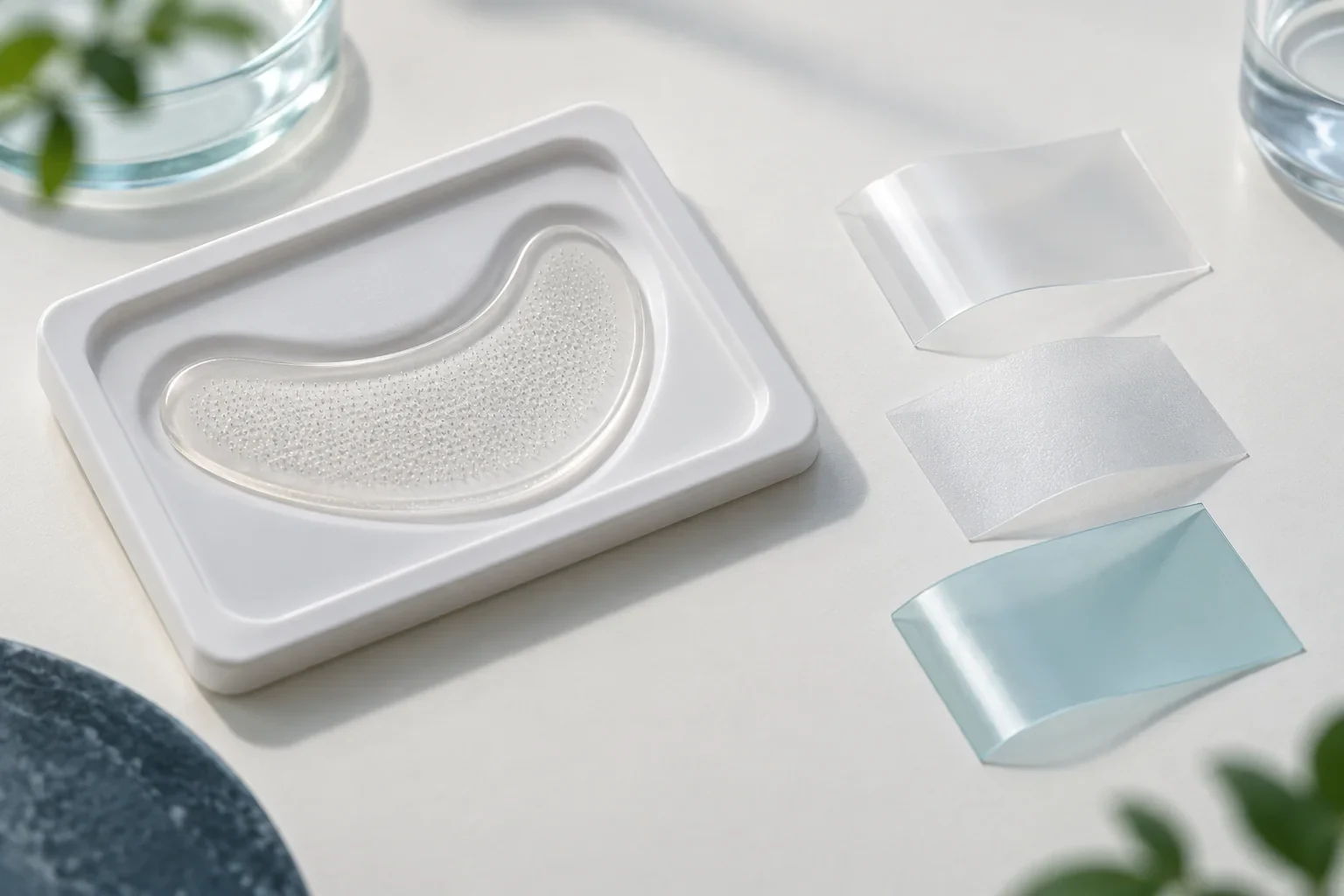
Develop microneedle eye patches under your brand
Compare the eye-patch outline, backing and protective packaging on a representative sample. Celsentra can take a private-label brief that covers the patch and the branded pack.
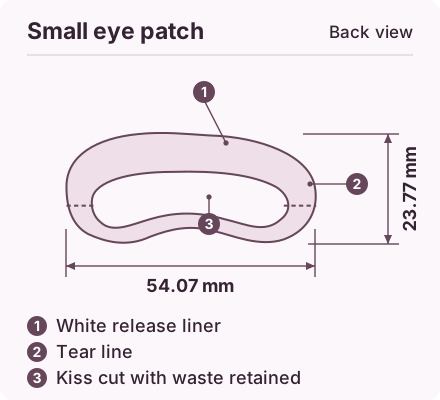
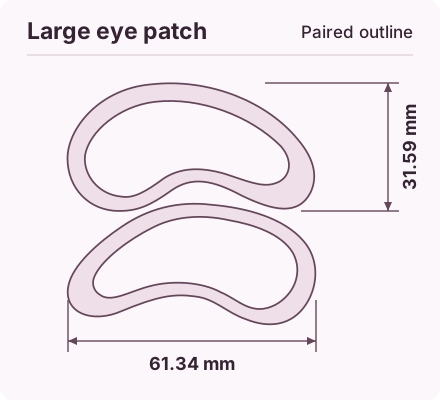
Small eye patch drawing, 54.07 × 23.77 mm. The back view identifies the liner and tear line. Pick an eye-patch outline
Start with the 54.07 × 23.77 mm compact drawing or the 61.34 × 31.59 mm extended drawing. Confirm the part of the drawing you want quoted.
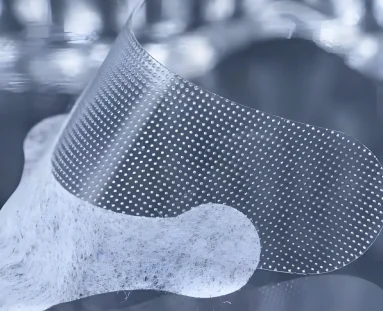
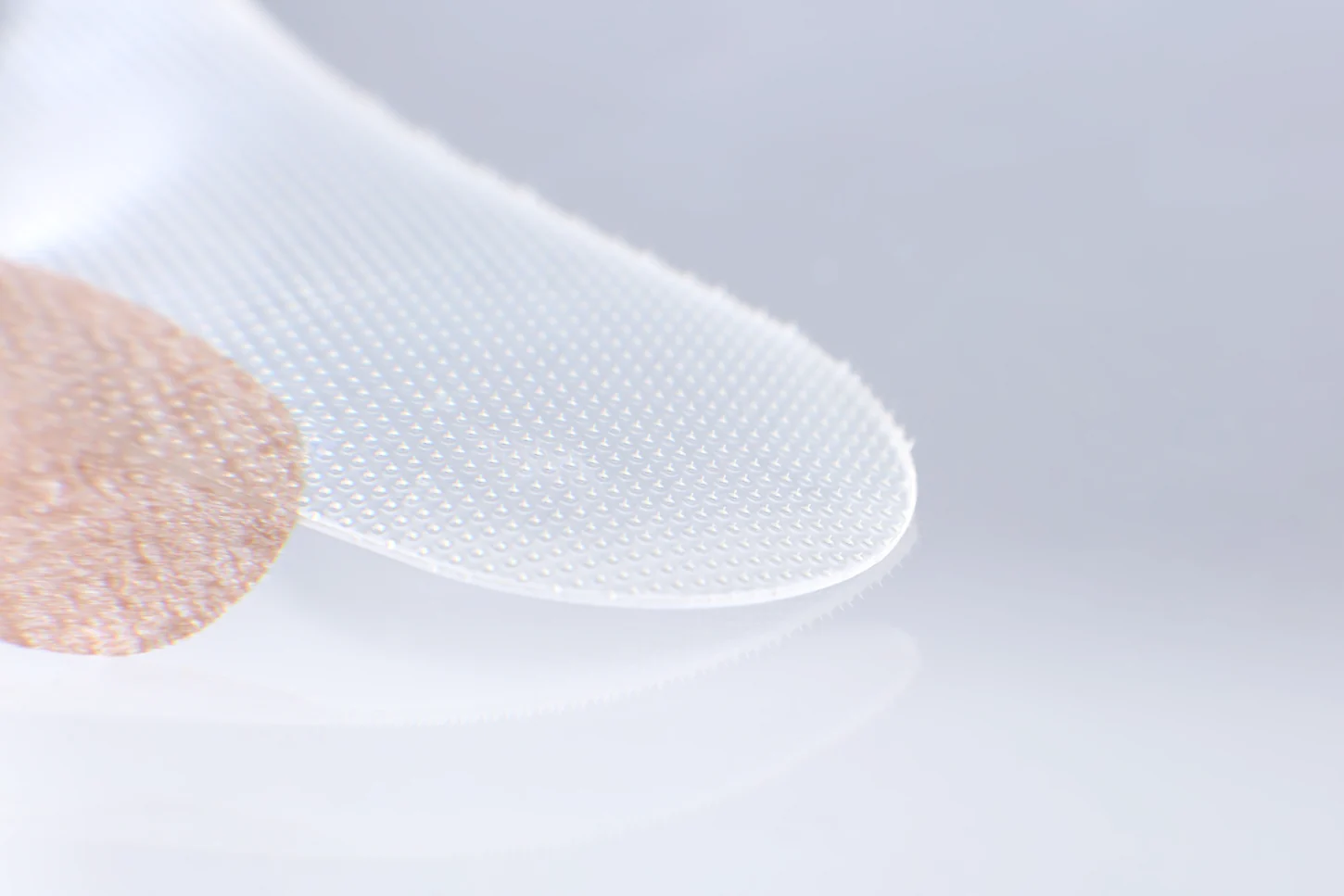
Illustration from the product handbook showing separate layers for a backing discussion. Compare the backing and liner
Identify tape or hydrocolloid candidates. Review the border, edge curl and peel start on the same crescent shape.
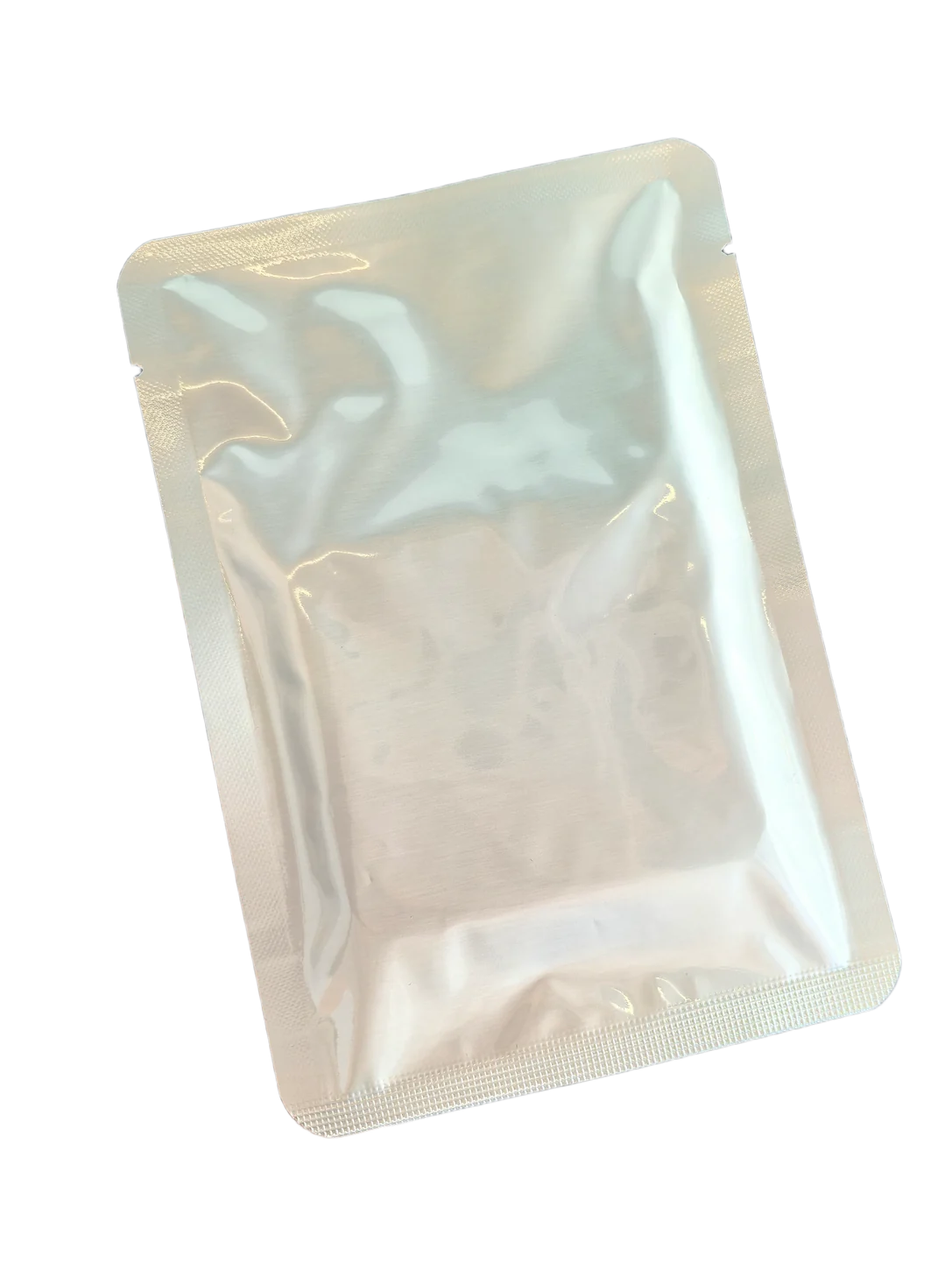
Unprinted foil pouch shown in the eye patch product handbook. Plan the protective pack
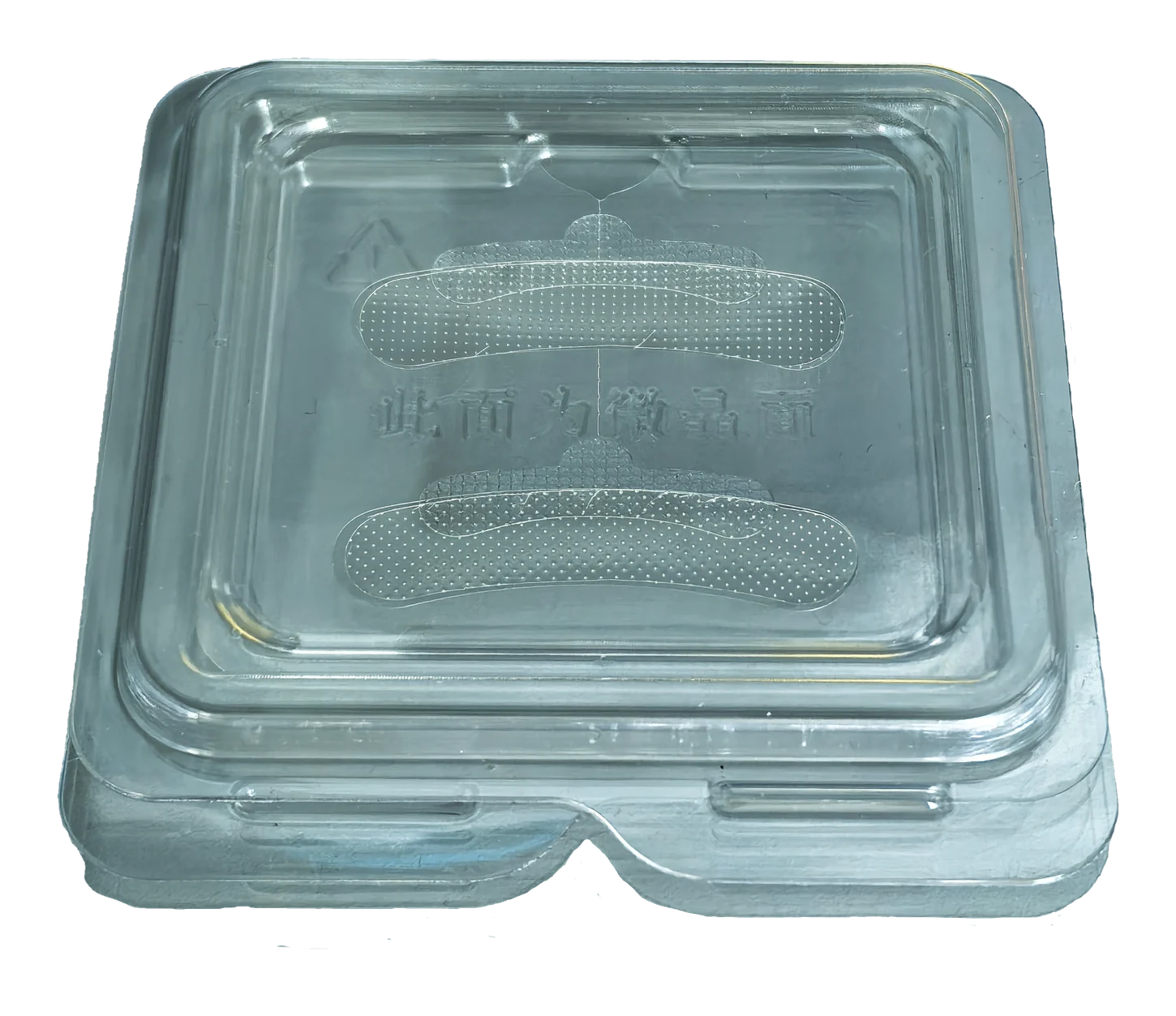
Review the paired tray, pouch opening and carton fit around the selected patch. Confirm the intended pair count before artwork.
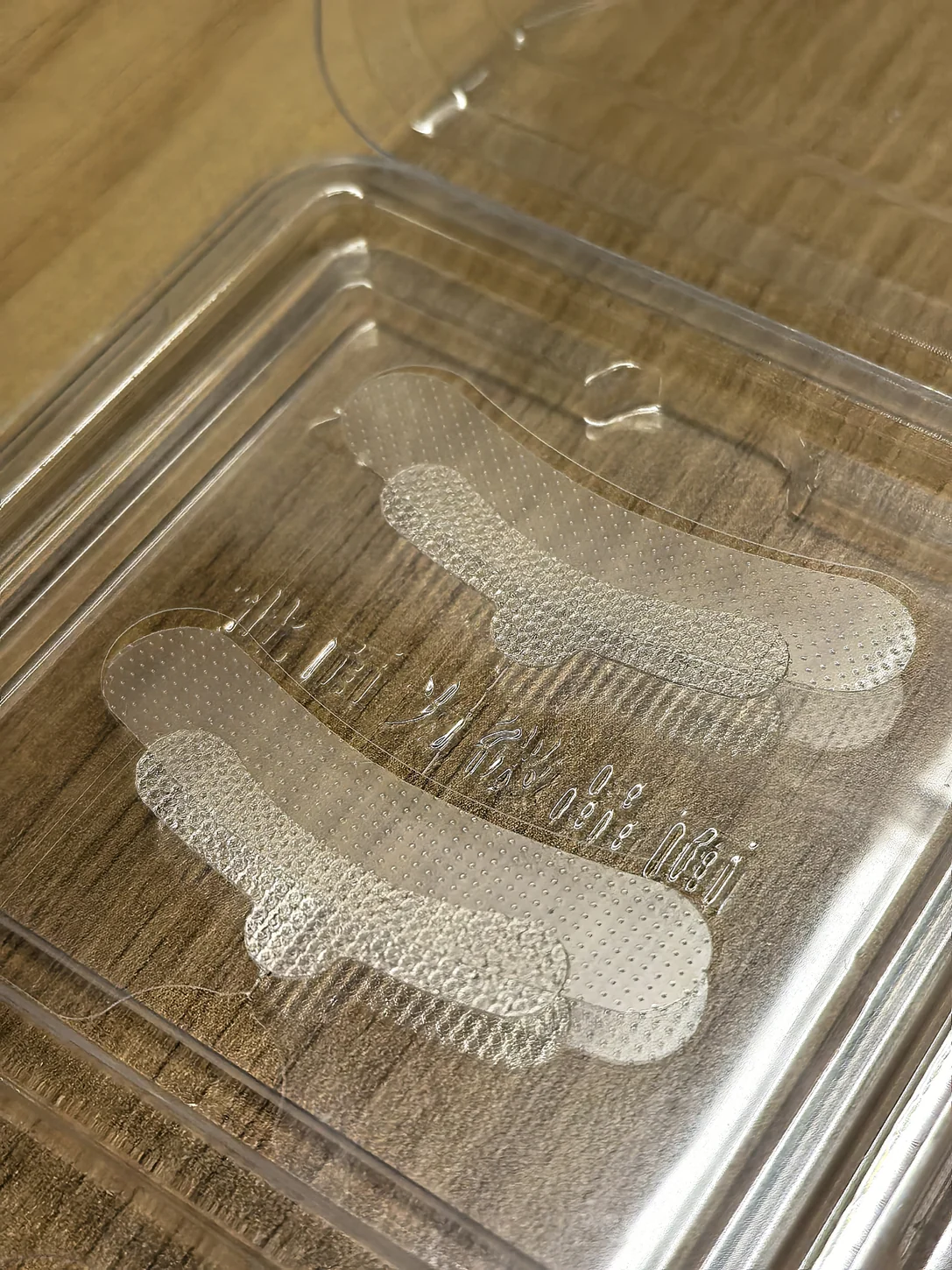
Eye patch pair photographed in an open carrier from the product handbook. Approve the branded sample
Send your logo, target market and planned quantity. Record the agreed patch, pack and artwork versions together.
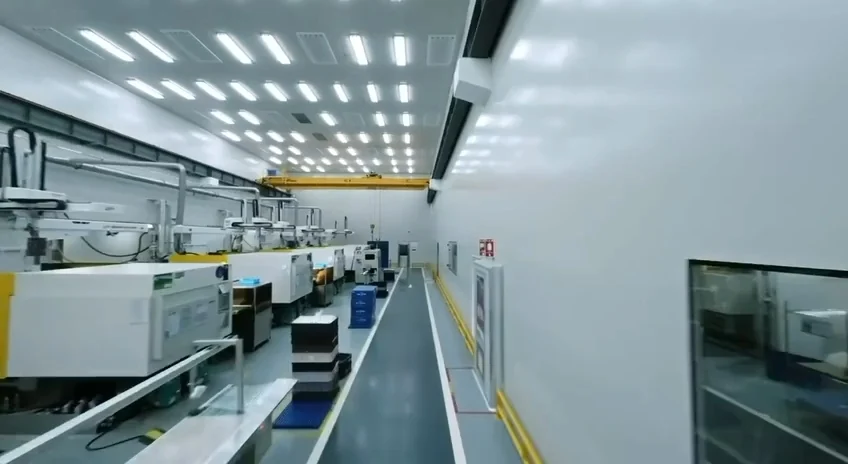
Inside the partner workshop
See equipment and sample handling at the manufacturing partner’s facility.
Eye-patch samples and backing references
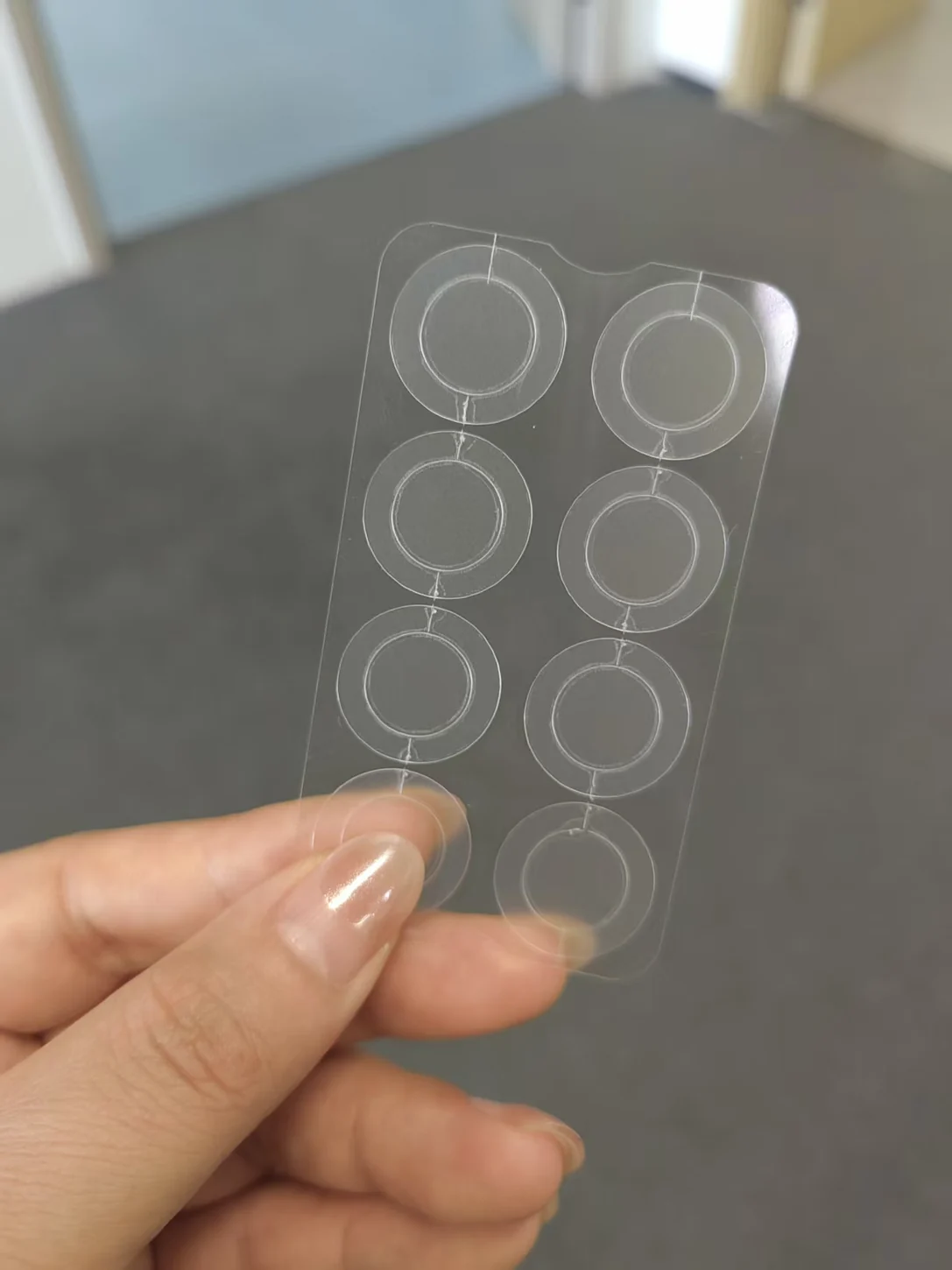
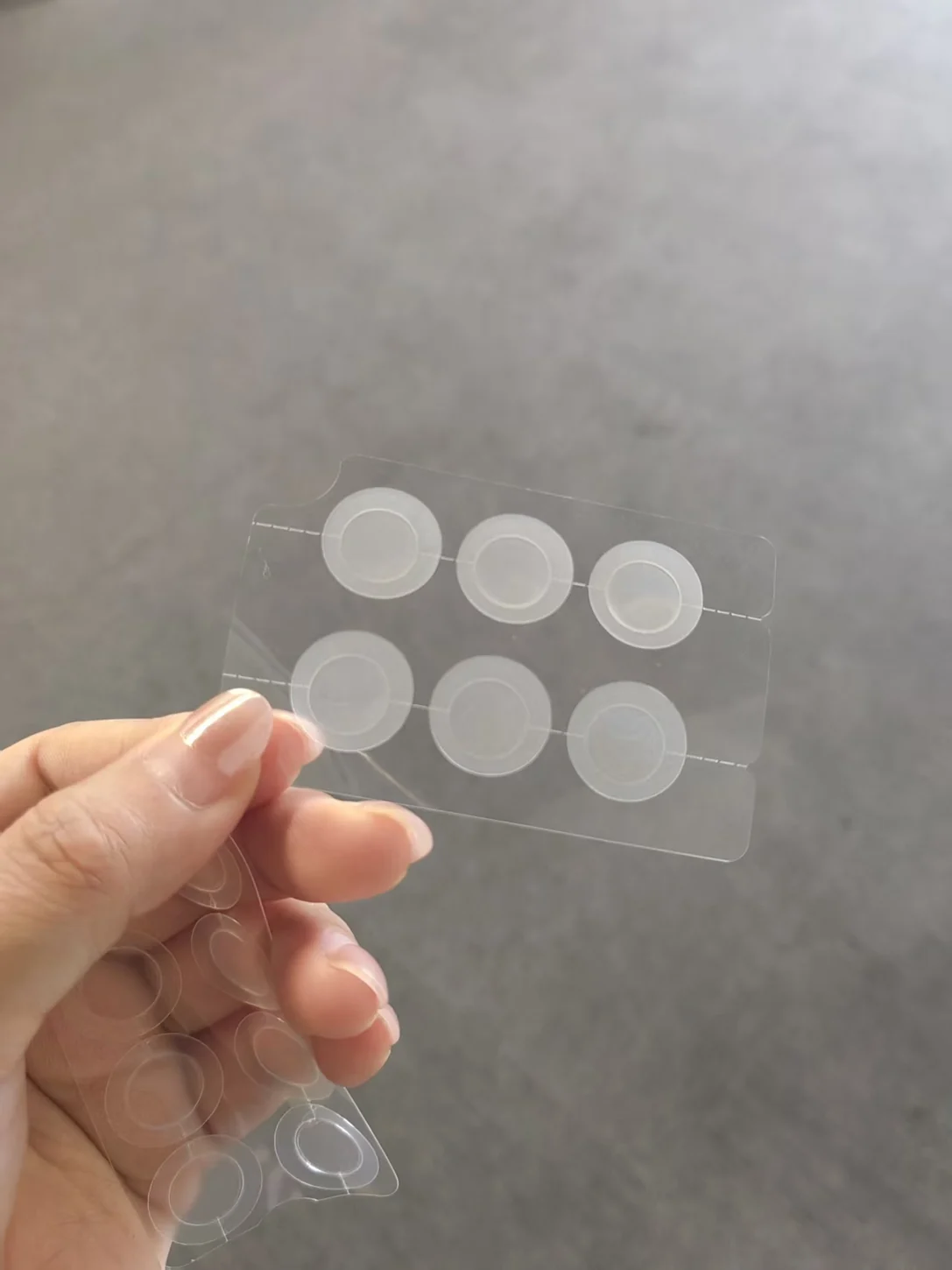
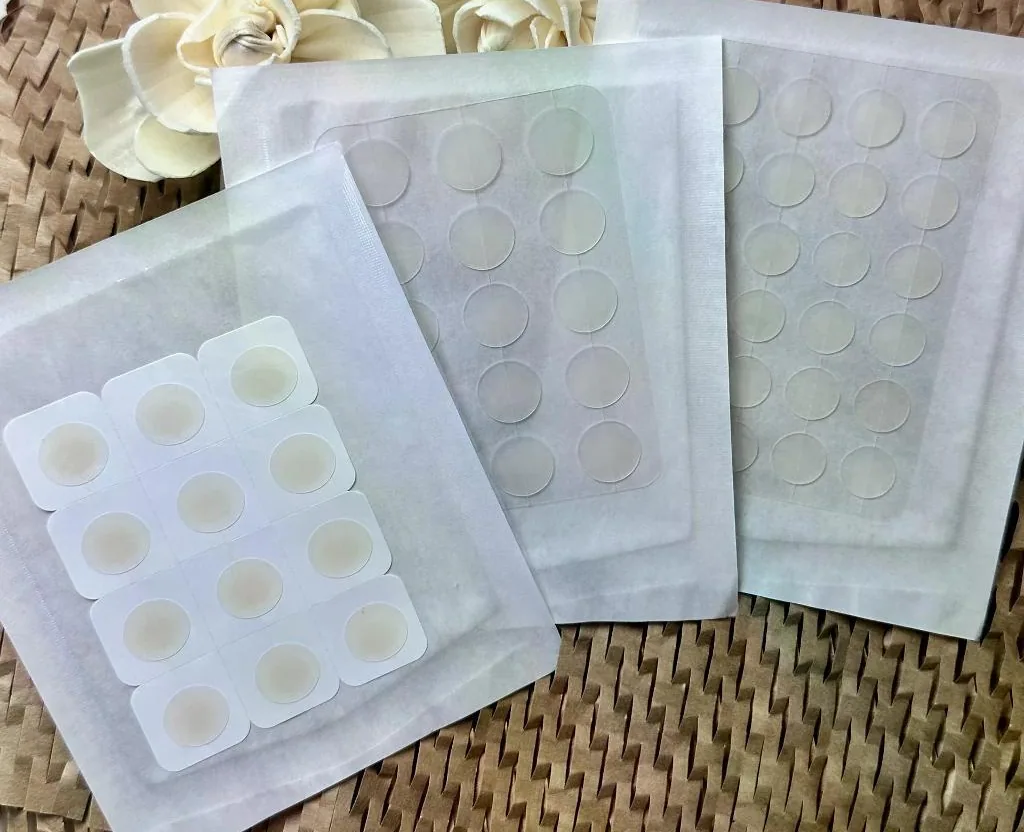
Browse the eye-patch presentation, size drawings and carrier details used during the sample review.
Plan the project before requesting samples
A patch backing affects how a cosmetic patch looks, opens and moves. Guangzhou Celsentra Biotechnology Co., Ltd. reviews backing, carrier and liner choices for hydration, under-eye and cosmetic spot patch projects. Bring us your outline, intended placement and pack format to discuss a sample.
Who this is for
- Skincare teams comparing first concepts
- Product developers refining a patch outline
- Purchasing teams approving material samples
Explore technical topics
View all guidesCompare Backing Materials
Choose between tape, hydrocolloid, films and nonwovens for the intended placement.
Explore Compare Backing MaterialsMatch the Patch Format
Review fit, edges and opening for hydration, spot, under-eye and larger cosmetic patches.
Explore Match the Patch FormatSpecify Each Layer
Use the exact film, adhesive and border dimensions when you request a quote.
Explore Specify Each LayerDesign the Release Liner
Choose a liner, peel sequence and converting drawing that make the patch easy to handle.
Explore Design the Release LinerEvaluate Performance
Trace changes in attachment, removal and compatibility to the material and shape.
Explore Evaluate PerformanceApprove a Backing
Prepare an RFQ, review sample lots and preserve the approved material revision.
Explore Approve a BackingAbout Celsentra
Guangzhou Celsentra Biotechnology Co., Ltd. was founded in 2017 and is based at No. 76 Fucong Road, Conghua District, Guangzhou, Guangdong, China.
View company and project details- Founded
- 2017
- Production workshop
- 4,000+ m²
- Freeze dryers
- 12
Discuss your project with our team
Share the intended patch size, backing preference, pack format, target market and branding requirements.