
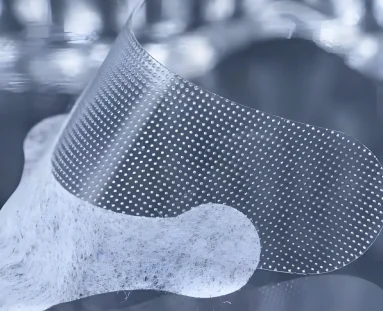
Set the reasons for comparing
Write down the problems you want the backing to solve. A discreet finish, easier liner opening and greater flexibility on a curved placement can point to different choices.
Rank these goals before reviewing samples. Doing so helps an engineering team explain a recommendation when the best-performing option differs by criterion.
Hold the visible design constant
An even comparison uses the same patch outline, coverage area and liner access wherever feasible. If a thickness change requires a different tray or backing margin, document that difference separately.
Include sample photos from the same side and position. Reviewers should be able to refer to sample A and sample B without relying on informal descriptions such as the white one.
Rank the observed tradeoffs
Evaluate initial handling, edge movement during intended wear and removal as distinct tasks. Ask which tradeoffs the brand is willing to accept if the options tie overall.
Retain a reference sample of the preferred build and confirm that the next quotation names its layers. A purchasing change should return through the same decision criteria.
- Same outline and cosmetic component
- Ranked fit, visibility and removal goals
- Reference sample for the chosen assembly
Frequently asked questions
Which material is better for a cosmetic spot patch?
The application outline, appearance brief and finished samples determine fit. Request a matched comparison before committing to a grade.